On Sale


HH100
Pad -- Pad Holder -- Handheld Style
$14.95
$15.75
In-Stock
On Sale


TCPADM
Triple Crown Microfiber Indoor Cleaning Pad – Streak-Free Glass Pad with Velcro Back
$5.20
$5.50
In-Stock


SOABG
Sprayer OnABelt -- Unger
$38.44
In-Stock


SRKB7
Unger Stingray Refillable MICROFIBER DELUXE Kit - 11'
$570.90
In-Stock


SRKB5
Unger Stingray Refillable MICROFIBER Cleaning Kit - 5'
$291.04
In-Stock


SRKB4
Unger Stingray Refillable MICROFIBER Cleaning Kit - 11'
$433.21
Temporarily Out of stock


SRKB2
Unger Stingray Refillable System Kit - 5'
$291.04
In-Stock
![Unger Stingray Refillable System Kit - 11' - [[sku] | Unger](https://cdn11.bigcommerce.com/s-3ff42/images/stencil/160w/products/4345/24997/SRKB1__61162.1782266002.jpg?c=2 "Unger Stingray Refillable System Kit - 11' - [[sku] | Unger")

SRKB1
Unger Stingray Refillable System Kit - 11'
$433.21
In-Stock
On Sale



SRPD2
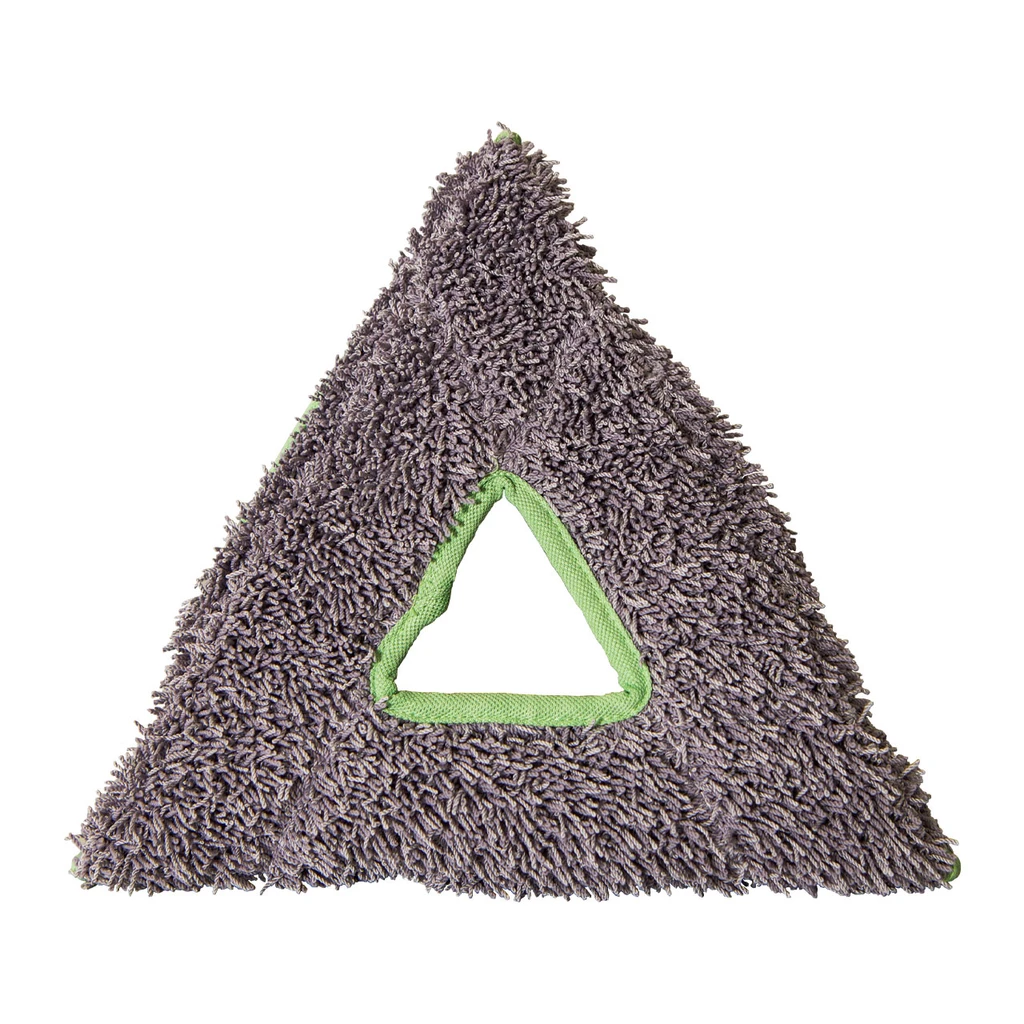
Gray Triangle Shaped Washing Pad for Stingray
$19.12
In-Stock
![Triangle Cleaning Pad For Stingray - [[sku] | Unger](https://cdn11.bigcommerce.com/s-3ff42/images/stencil/160w/products/3995/23279/SRPD1-2__57815.1486574908.220.220_1761661481__45675.1782265975.png?c=2 "Triangle Cleaning Pad For Stingray - [[sku] | Unger")


SRPD1
Triangle Cleaning Pad For Stingray
$14.34
In-Stock


CK054
Start Up -- Window Cleaning Kit - Indoor - Unger - SpeedClean CK054
$191.34
In-Stock
On Sale


HCPAD
IPC - Replacement MicroFiber Cleaning Pad - Each
$6.83
$7.60
In-Stock

WFADPT2
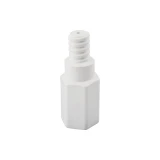
WaterFed ® - Euro to Acme Pole Adapter - abc
$9.90
$11.00
Temporarily Out of stock


PHW20
Microfiber -- Unger - Washing Pad
$10.33
In-Stock

PHL20
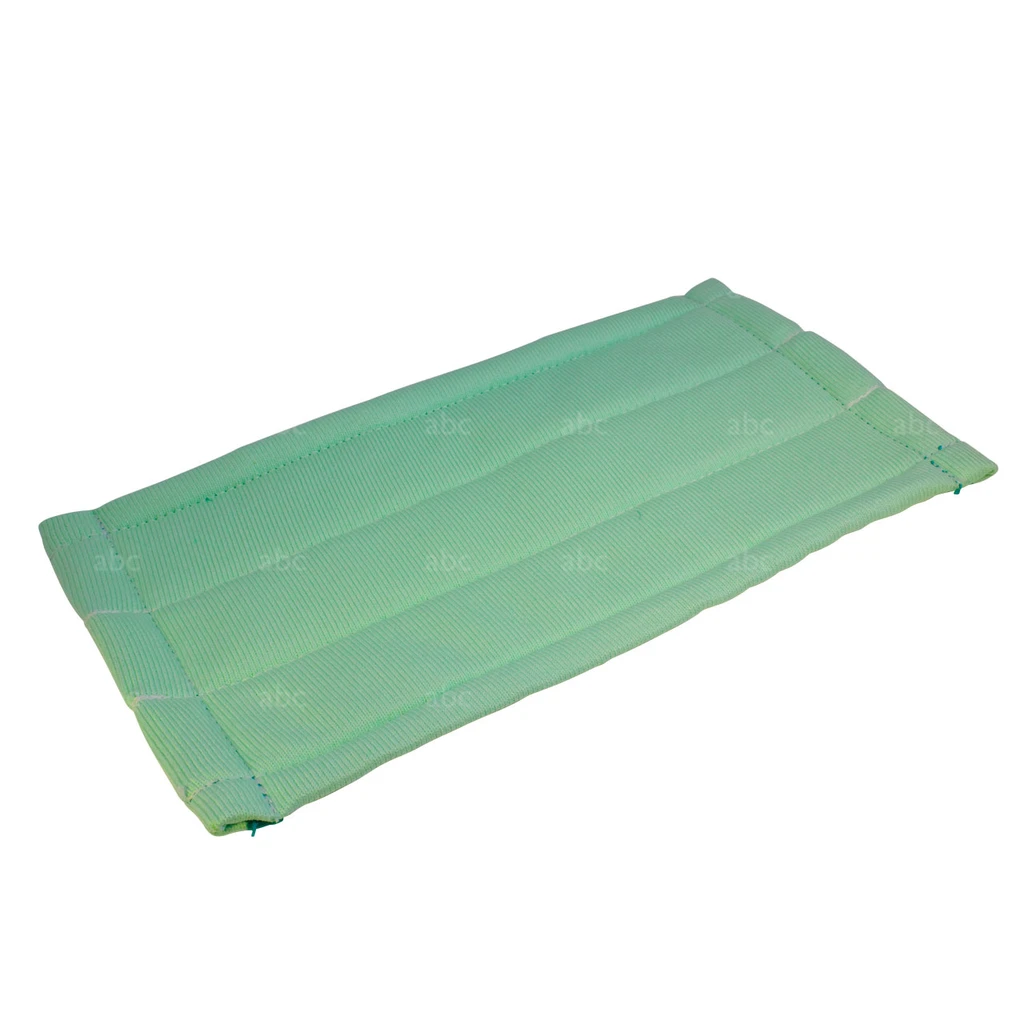
Microfiber -- Unger - Luster Pad
$7.76
In Stock
On Sale


FTYAD
WaterFed ® - Parts - Unger - MultiLink Y-Adapter
$92.72
$116.62
Discontinued by Unger


AFAET
WaterFed ® - Parts - Unger - Snap-In Thread Adapter
$17.30
In-Stock


