Towels & Sponges

Choose window cleaning towels and sponges for your setup

Choose towels for detailing glass and wiping edges, and compare sponges for applying solution and cleaning smaller areas. Consider absorbency, lint, size, and care instructions, then keep clean glass-detailing tools separate from those used on dirty frames and sills.

Buying guide: detailing towels, sponge choices, and care

Do I need a towel, a sponge, or both?

A towel can pick up remaining moisture along edges after squeegeeing and handle detail work. A sponge holds solution for wet cleaning and can be useful where a full-size washer is awkward. Choose around your method: a sponge does not replace a dry detailing towel, and a wet towel may leave moisture behind when you are trying to finish the glass.

Should I choose microfiber or cotton huck towels?

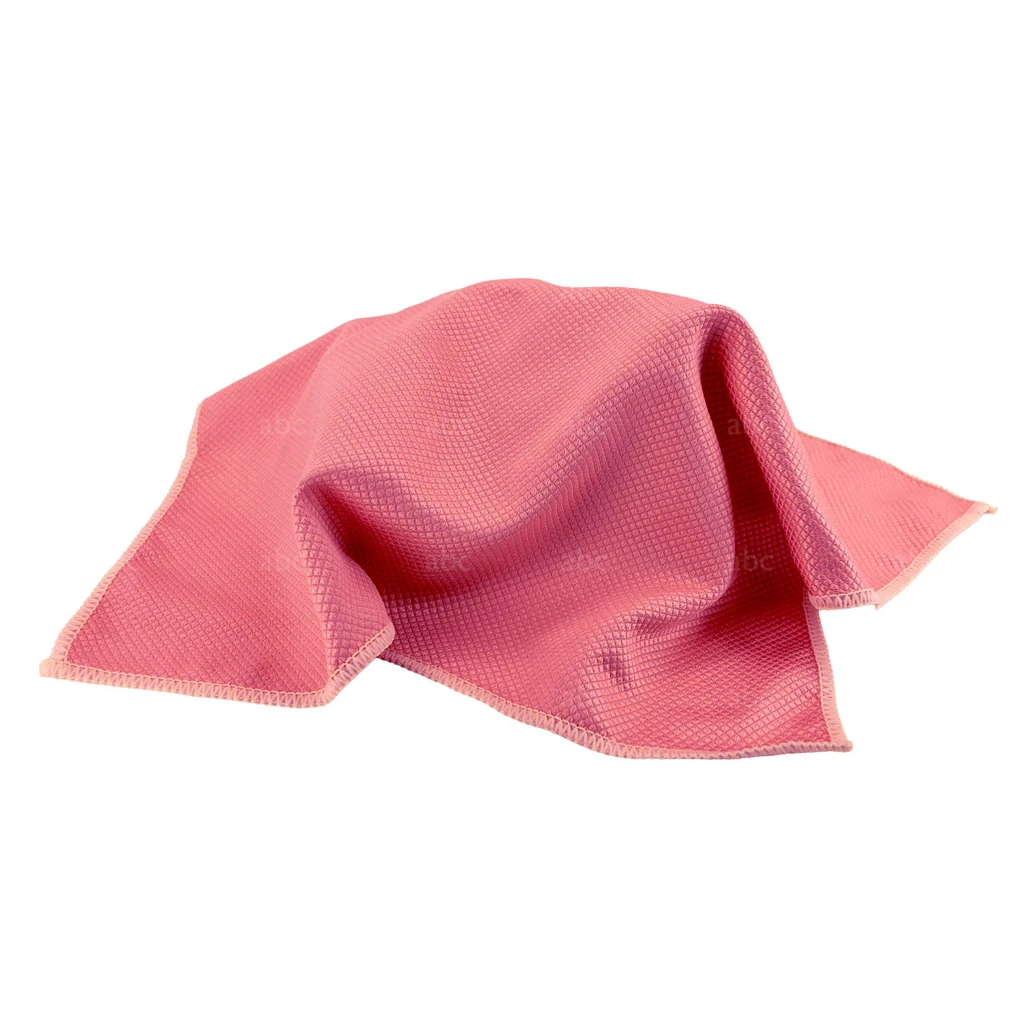
Compare the fabric, texture, size, and care requirements. The Triple Crown 16 x 16-inch Microfiber Towel is listed for glass detailing, edges, and frames. The used cotton huck towels in mixed blues and teals are 100% cotton and sold by weight, with sizes and quantities that vary. Try a manageable quantity to see which fabric suits your technique, and inspect each towel before use.

What should I check when comparing towel quantities?

Check whether the price covers one towel, a pack, or a weight of towels. The used huck listing estimates six to seven towels per pound and an approximate size of 16 x 24 inches; these are estimates, not a guaranteed count or uniform size. Compare the amount of usable cloth and the number of clean towels you need between washes rather than comparing package prices alone.

Should I choose a natural or synthetic sponge?

Compare how the sponge fits your hand, the area you need to reach, and how much solution you want it to hold. The Natural Sea Wool Sponge is listed for detail work, French panes, and other window-cleaning tasks, with several size options. The Hydrophile Synthetic Sponge is another option to compare. Check the selected size and product instructions instead of assuming all natural or synthetic sponges perform alike.

How can I reduce lint and smears when detailing?

Start with a clean towel and turn or refold it to expose a fresh area as you work. Change towels when they become too wet or dirty to finish cleanly. Keep towels used on tracks, frames, and sills separate from those used on finished glass. If marks remain, check for soil, detergent residue, and towel contamination before assuming more rubbing will solve the problem. Follow the care instructions for both the cloth and the surface.

How should I wash towels and care for sponges?

Follow each product's instructions rather than applying one wash routine to every material. For the Triple Crown microfiber towel, the listing specifies warm-water washing, no bleach or fabric softener, and separate washing from cotton towels or other items that shed lint. Rinse dirt from sponges during use, inspect for trapped grit, and let them dry before storage. Replace tools that are breaking down or cannot be cleaned properly.

Can I use these on coated glass, mirrors, and frames?

Check the surface manufacturer's care instructions and the cleaning product's restrictions. A soft feel alone does not establish compatibility, particularly if grit is trapped in the material. Use a clean tool, avoid transferring residue between surfaces, and test a small inconspicuous area where the manufacturer permits it. For larger panes, complete your setup with a washer and sleeve, a suitable glass cleaner, and a squeegee.

Need help choosing towels or sponges? Call abc at 1-800-989-4003 with the surfaces you clean and your preferred working method.