Kits

Choose a window cleaning kit for your setup

Start with the windows you clean, your working method, and the tools you already own. Compare hand-tool starter kits, larger supply packages, and indoor cleaning systems. Check the itemized contents, tool sizes, and replacement parts before choosing a kit.

Buying guide: kit contents, tool sizes, and cleaning methods

Should I buy a kit or choose individual tools?

A kit can simplify building a setup when you need several tools at once. Compare its contents with your job requirements and what you already own. Buying individual tools may make more sense if you need a particular size or already have most of the equipment. Count the items you will actually use rather than choosing by the number of pieces alone.

What comes in a basic window cleaning kit?

Contents vary. The Pro Tools Home Basic Kit lists a 14-inch washer with T-bar, a squeegee handle with 14-inch and 6-inch channels, abc Glisten concentrate with a measuring bottle, end clips, and two microfiber towels. Its contents list does not include a bucket or extension pole. Check the current listing before ordering and add any equipment your job requires.

How do the Klassy Basic and Deluxe kits compare?

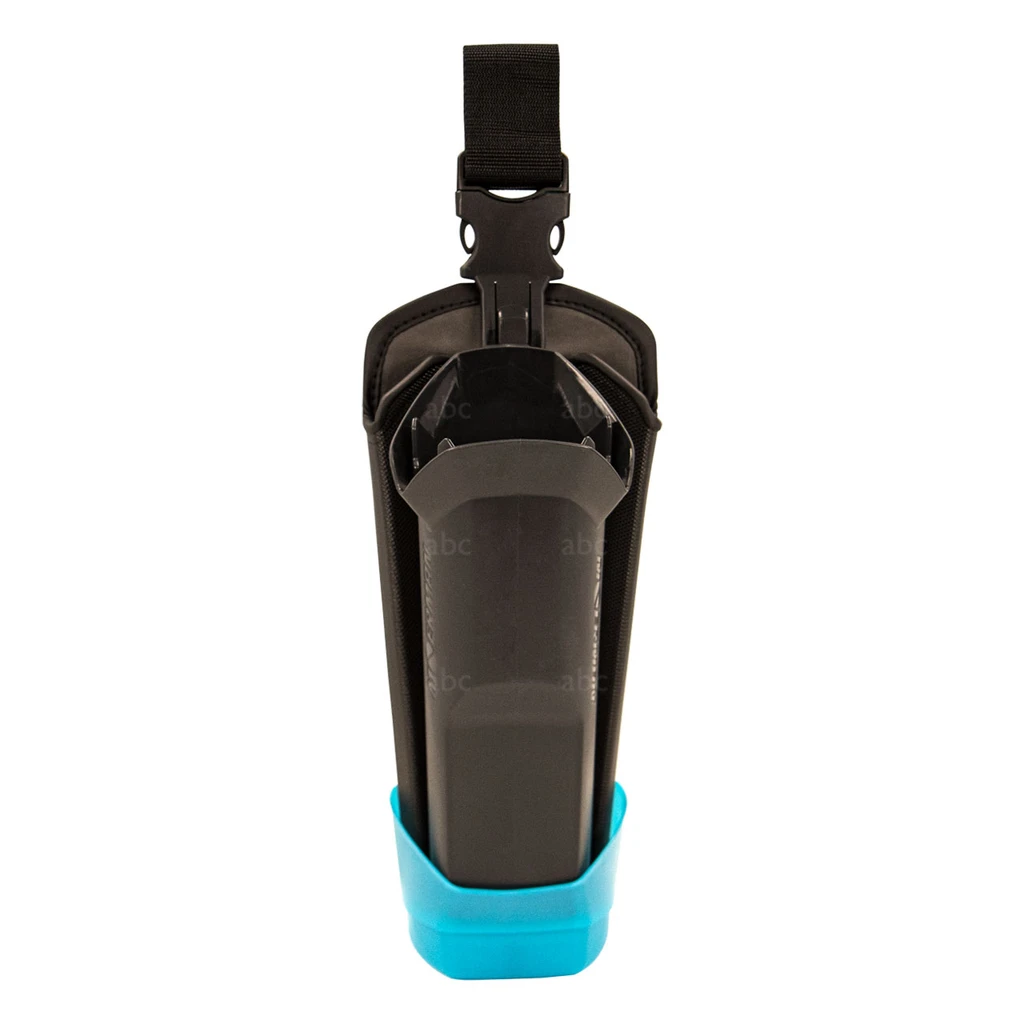
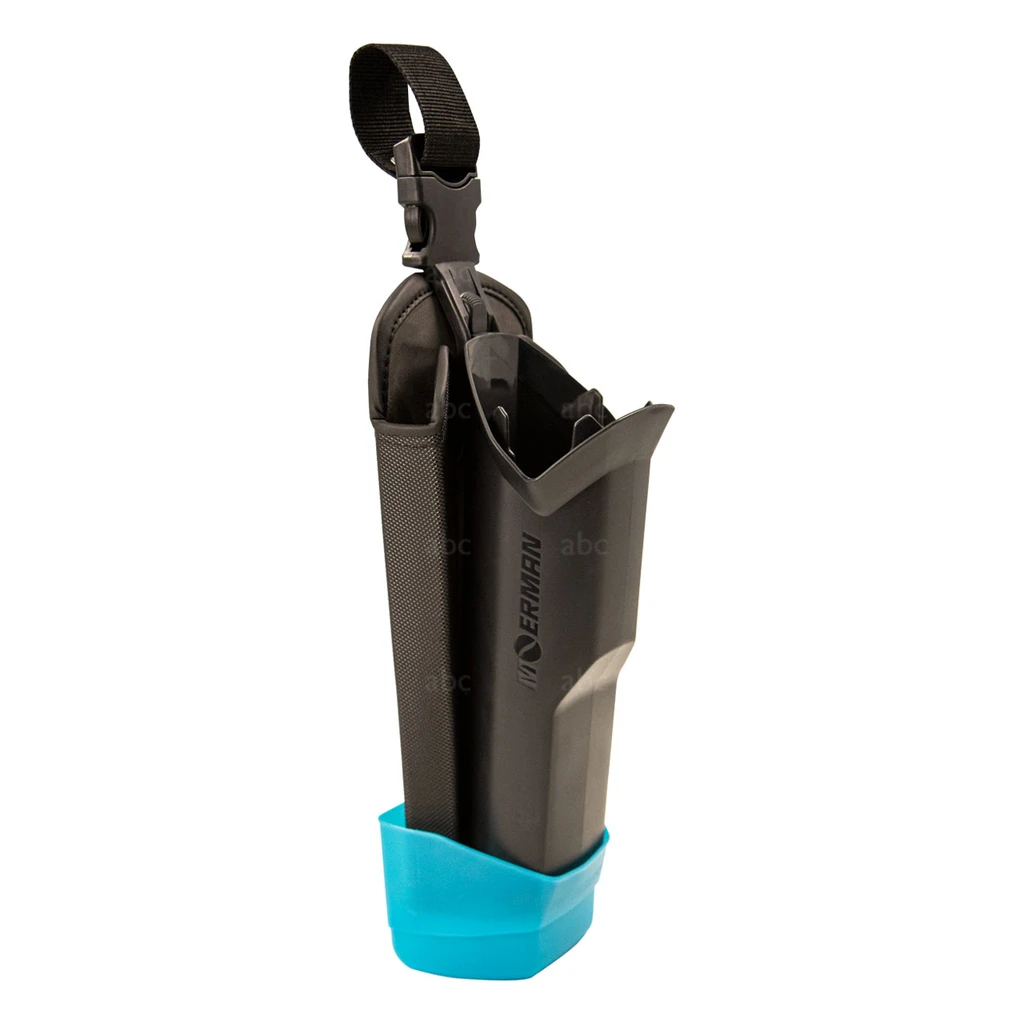
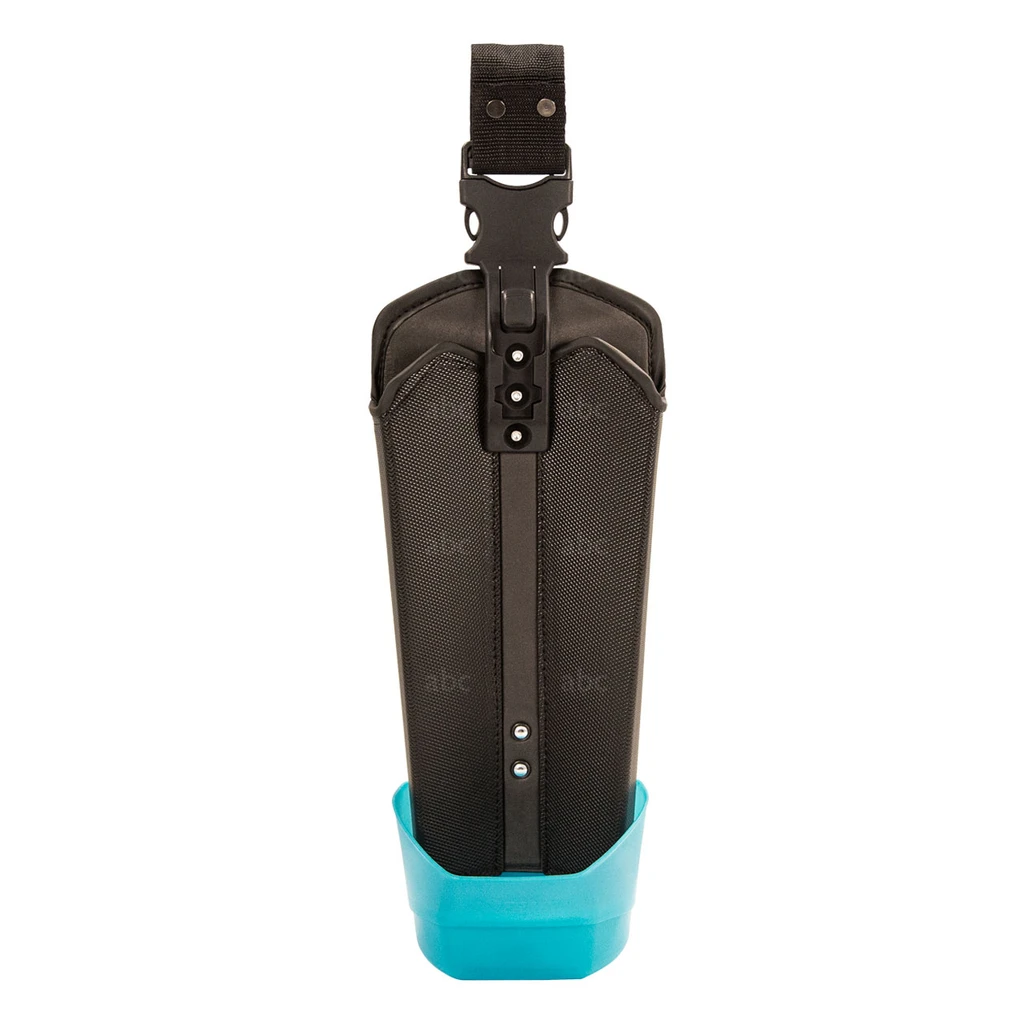
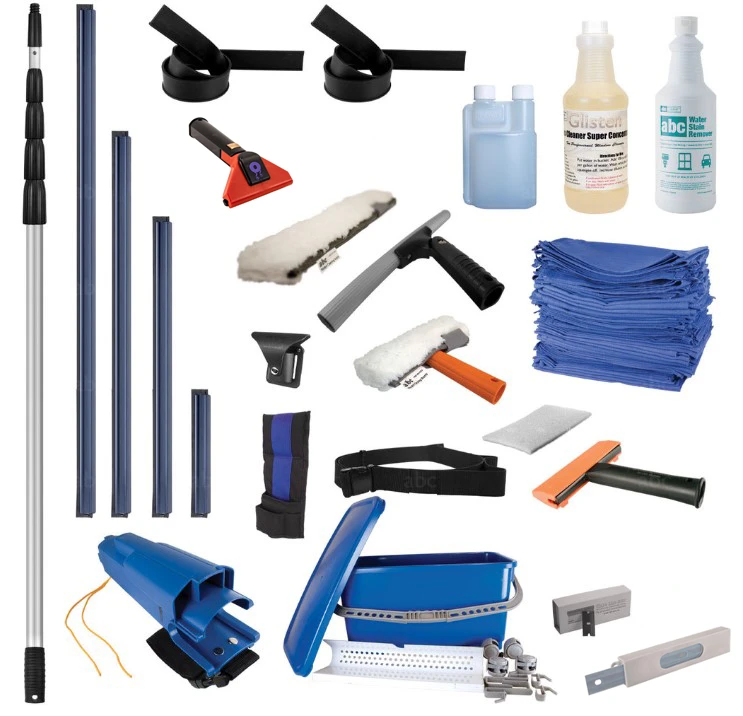
The Klassy Basic Supply Kit lists an 18-inch squeegee and washer setup, a bucket with accessories, a hip bucket, belt and holster, replacement rubber, cleaner, and towels. It provides a broader traditional cleaning setup than a small hand-tool kit.

The Klassy Deluxe Supply Kit lists Monster channels in 6-, 14-, 18-, and 24-inch sizes, a Monster handle, and an 18-foot Triple Crown pole, along with additional supplies such as a scraper, blades, pads, and stain remover. Compare the full contents lists; do not assume every component is identical between the two kits. The listings note that items may differ slightly from the photographs.

When should I choose an indoor cleaning kit?

Consider the cleaning method as well as the location. The Unger SpeedClean CK054 Indoor Window Kit uses pad holders and microfiber pads for a method that does not require a squeegee. Review its included pole, adapters, and pads against the work you plan to do. An indoor pad system and a washer-and-squeegee kit use different techniques; choose the one suited to the soil and surface, and follow its instructions.

How do I check tool sizes and replacement compatibility?

Choose washer and squeegee widths that fit between the window frames. Check that your washer fits the bucket and that any pole connection matches the tool. For future replacements, keep the model names and sizes from the kit. Our squeegee buying guide explains channel, handle, and rubber selection, and our washer and sleeve guide covers T-bar and sleeve fit. A matching length alone does not establish rubber or handle compatibility.

What might I need to add separately?

Compare the contents with your complete working setup. You may need a bucket, extra towels, replacement rubber, or a suitable extension pole. Check whether the listing is a complete kit or a replacement component. A traditional cleaning kit does not automatically include the filtration equipment used for WaterFed® cleaning.

Can I use every item in a kit on every window?

No. Check the glass manufacturer's care instructions and any coating or film restrictions. A scraper, abrasive pad, or stain remover being included does not mean it is suitable for every surface. Follow each tool's instructions and each cleaner's label, including dilution and protective equipment requirements. Confirm an appropriate method before treating unfamiliar glass.

Need help choosing a window cleaning kit? Call abc at 1-800-989-4003 with the windows you clean, the equipment you already own, and the sizes you need.