On Sale
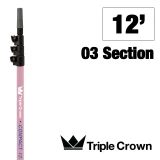

COMPACT-12HM-PINK
Triple Crown Compact Pole - HM Carbon - 12' Open Length - 3 Section - - Pink
$147.00
$210.00
In-Stock
On Sale


COMPACT-12HM-BLACK
Pole - HM Carbon - 12' Open Length - 3 Section Pole - Triple Crown - Black
$147.00
$210.00
In-Stock
On Sale


COMPACT-12HM-BLUE
Pole - HM Carbon - 12' Open Length - 3 Section Pole - Triple Crown - Blue
$147.00
$210.00
In-Stock
On Sale


COMPACT-12HM-RED
Pole - HM Carbon - 12' Open Length - 3 Section Pole - Triple Crown - Red
$147.00
$210.00
In-Stock


NCPAN
Pole Part - 10" NINJA Angle Adapter Unger
$17.60
In-Stock


NCPLC
Pole Part - BLACK - NINJA Locking Cone w/ Rubber Tip - Unger
$9.60
Temporarily Out of stock
On Sale


![Pad -- Pad Holder Moerman Gekko 14\" - [[sku]](https://cdn11.bigcommerce.com/s-3ff42/images/stencil/160w/products/4556/24380/27535-GeKKo-angled1__69322.1763052455.600.600_1764946898__64039.1764950150.jpg?c=2 "Pad -- Pad Holder Moerman Gekko 14\\" - [[sku]")


27535-GeKKo
Pad -- Pad Holder Moerman Gekko 14"
$36.85
In Stock


27064-FGCARBON
Pole -- Moerman Takumi Deluxe Telescopic Pole 8'
$182.50
In Stock


26620-08
Pole -- Moerman Takumi Telescopic Pole 8'
$76.98
In Stock
![Pole Accessory -- Moerman Dr. Angle Mini - Acme Threading - [[sku]](https://cdn11.bigcommerce.com/s-3ff42/images/stencil/160w/products/4548/24349/26564-ACME__36317.1763052430.600.600_1764946792__15312.1764950120.jpg?c=2 "Pole Accessory -- Moerman Dr. Angle Mini - Acme Threading - [[sku]")


26564-ACME
Pole Accessory -- Moerman Dr. Angle Mini - Acme Threading
$14.69
In Stock
![Pole Accessory -- Moerman Dr. Angle Mini - GERMAN Threading - [[sku]](https://cdn11.bigcommerce.com/s-3ff42/images/stencil/160w/products/4547/24348/26563-GERMAN__89528.1763052429.600.600_1764946781__02352.1764950119.jpg?c=2 "Pole Accessory -- Moerman Dr. Angle Mini - GERMAN Threading - [[sku]")


26563-GERMAN
Pole Accessory -- Moerman Dr. Angle Mini - GERMAN Threading
$14.69
In Stock
![Pole Part - Moerman Carbonator Replacement Levers & Springs - [[sku]](https://cdn11.bigcommerce.com/s-3ff42/images/stencil/160w/products/4546/24428/26082-SPRINGLEVER__15794.1765218476.jpg?c=2 "Pole Part - Moerman Carbonator Replacement Levers & Springs - [[sku]")

26082-SPRINGLEVER
Pole Part - Moerman Carbonator Replacement Levers & Springs
$8.91
In-Stock
![Pole Accessory -- Moerman Dr. Angle Regular - [[sku]](https://cdn11.bigcommerce.com/s-3ff42/images/stencil/160w/products/4545/24345/25461-ANGLE__76864.1763052426.600.600_1764946764__46171.1764950115.jpg?c=2 "Pole Accessory -- Moerman Dr. Angle Regular - [[sku]")

25461-ANGLE
Pole Accessory -- Moerman Dr. Angle Regular
$16.70
In-Stock


24003
Pole Part -- Moerman - Universal Tip
$6.26
In-Stock
On Sale

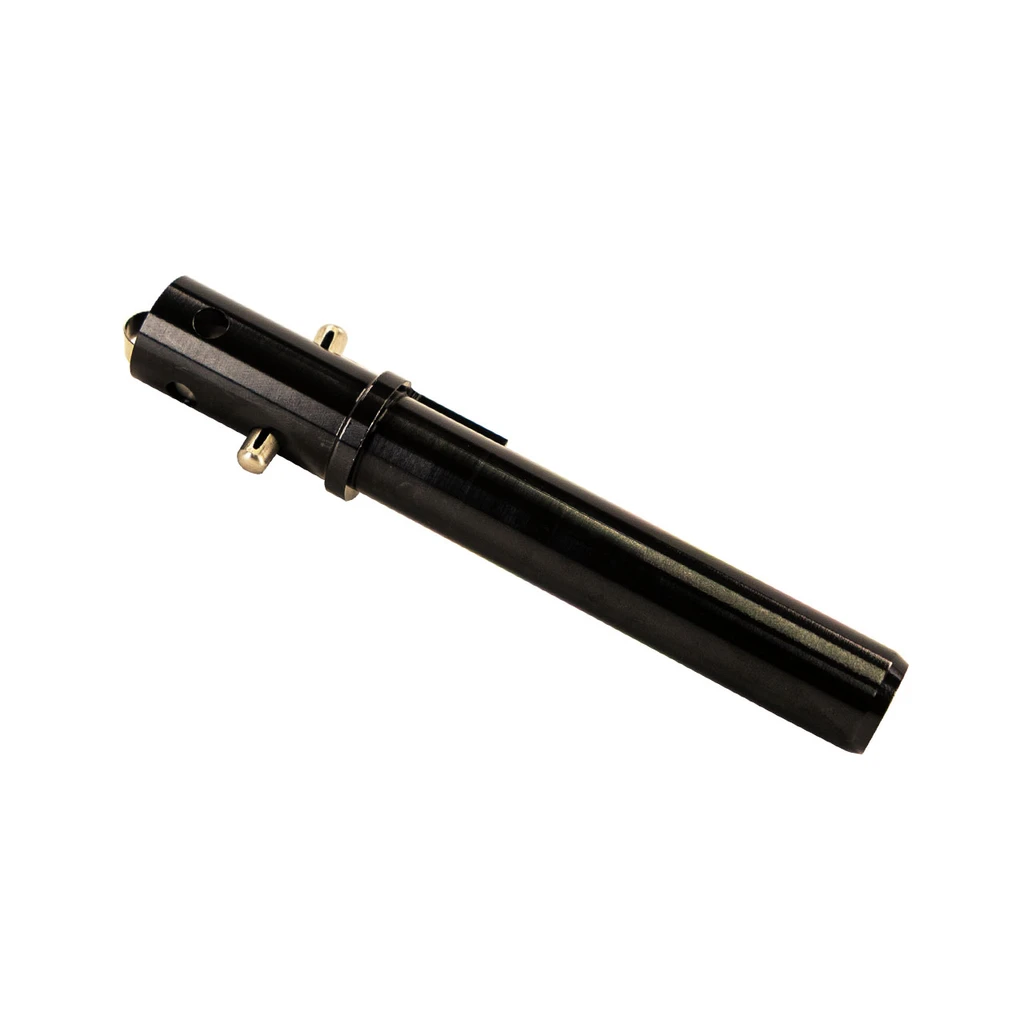
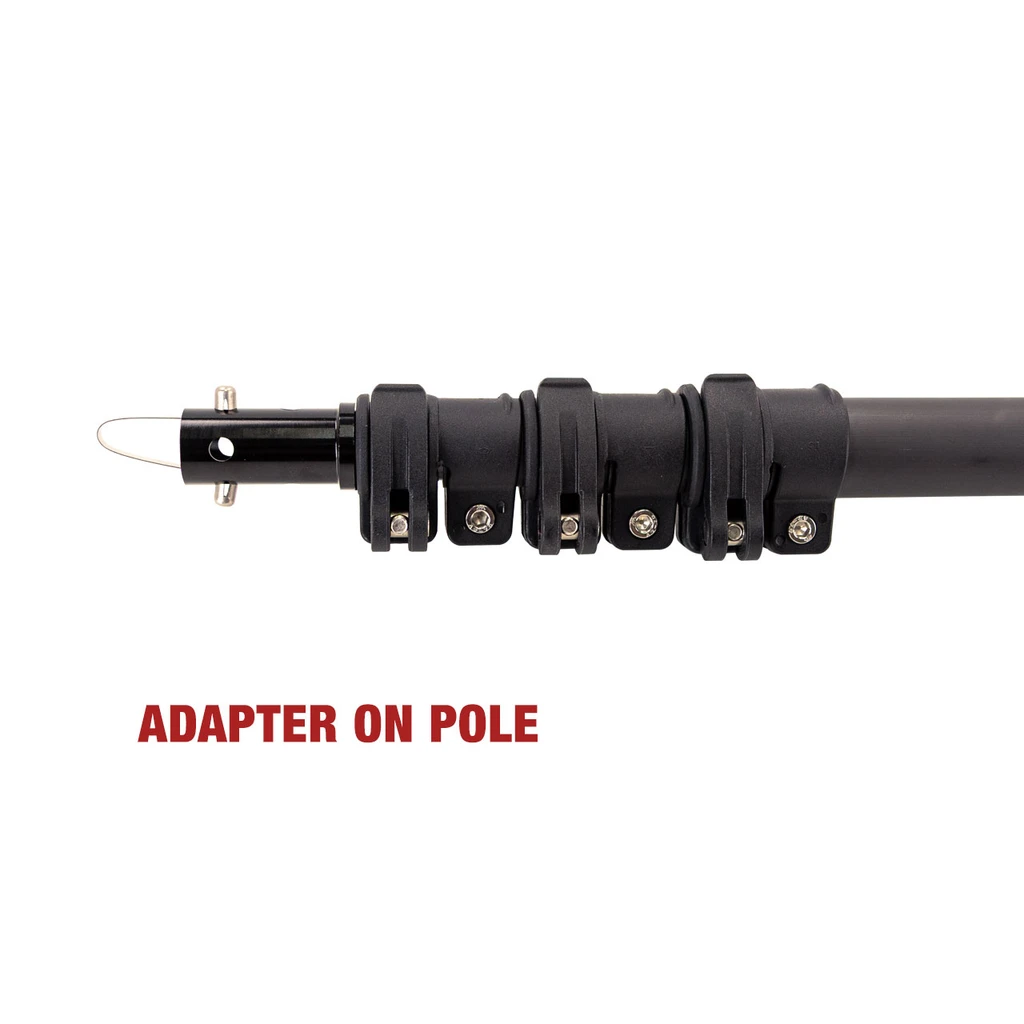
7000-ADAPTER
Aluminum Trad Pole Adapter
$16.70
$18.00
In-Stock
On Sale